The rush of Eid ul-Adha is over. The prayers are presented. The family meetings have been pleasurable. The meat has been shared with relatives, neighbours and the needy. However, the actual effort has just begun for most Pakistani home.
When you look in your freezer, it’s full. Stack of bags and bags of Qurbani meat. Some have newspaper wrapping. Some are in plastic shopping bags and are loose. Some you did not know that they are cut.
It is a common sight in homes from Karachi to Lahore, Islamabad and in all the cities in between. However, there is a problem here. Meat can not only spoil its flavor and texture, but it can also become unsafe to eat. It may also promote the growth of bacteria, freezer burn, and even food poisoning in some cases.
The positive news is that, with a little knowledge and a few simple steps, you can enjoy fresh, tender and safe Qurbani meat for months. Don’t worry about spoiling meat – enjoy great meals well into winter.
The preservation process, from beginning to end, is covered in this definitive guide. If you have been gifted with meat or are preserving your own Qurbani share, then these are some tips on how you can make the best of each kilogram.
Let us get started.
The importance of proper meat storage
But before we get into the steps, let’s first delve into the “why?” of this being important. Meat is a food that can spoil. It starts to go bad at the time of slaughter. Bacteria multiply quickly at temperatures ranging from 4ºC to 60ºC. This range is known as danger zone.
Bacteria multiply when meat is not chilled quickly enough or is packed hot or thawed and refrozen more than once. This can lead to:
- Bad odors & flavors
- Changes in texture (tough or mushy)
- Dry and grey patches (freezer burn)
- A very serious food poisoning can cause
Thankfully, all of this can be prevented. The following are easy, they don’t need special equipment, and will keep you from wasting spoiled meat later.
The Complete Qurbani Meat Preservation Process
Be sure to take the following 5 steps: All of the steps are cumulative. Taking a step forward will increase the risk of spoilage.
Step 1: Let the Meat Rest (Air Cooling)
The time needed is between 1 and 2 hours.
Never place warm, freshly slaughtered meat in plastic bags or freezer. This is the one greatest error that people make. Warm meats cause condensation inside the bag. Moisture is the result of condensation. Bacteria will form in moist conditions. Spoiled meat is caused by bacteria.
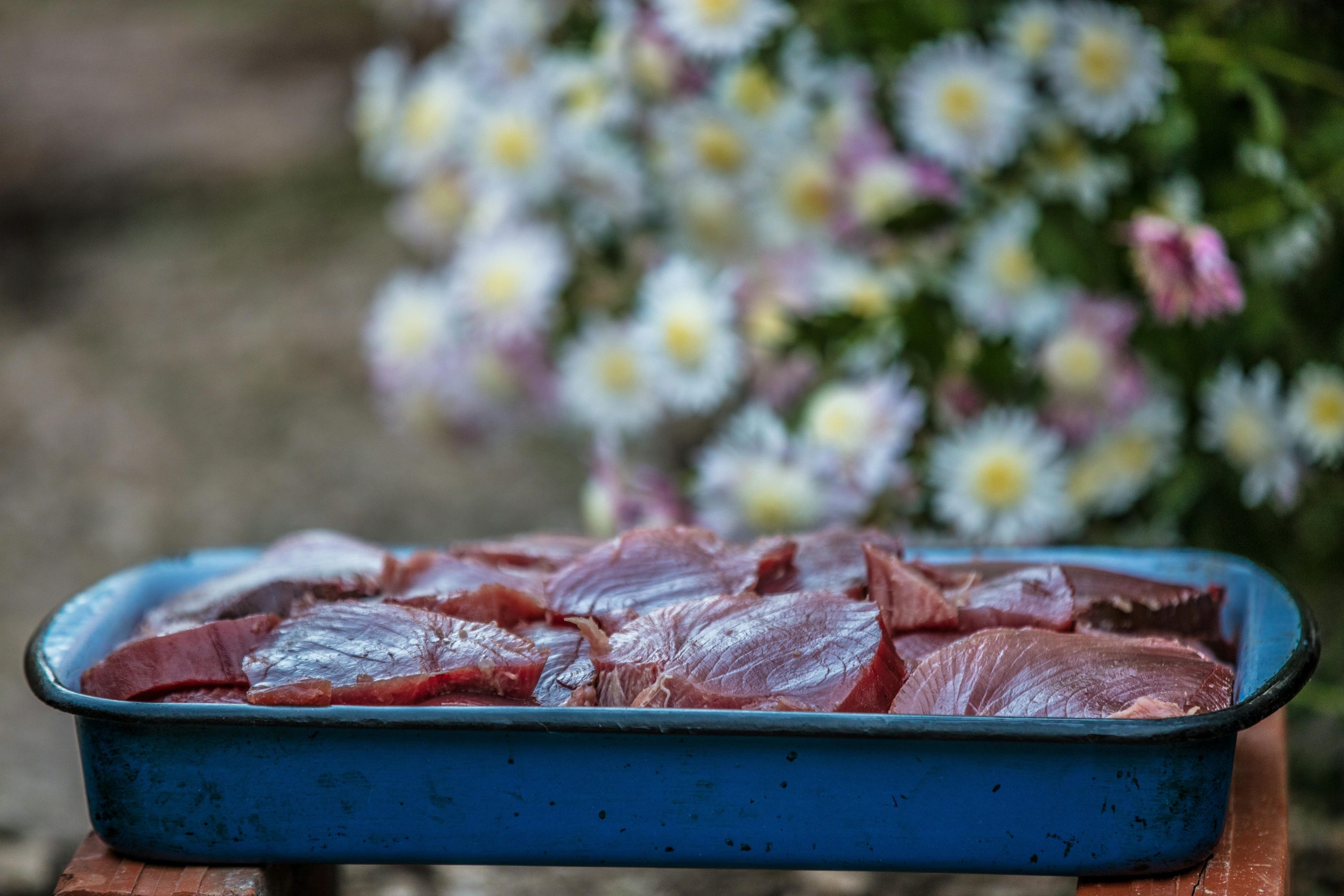
Rather, spread fresh meat out on large flat trays or wide dishes. Put these trays in a cool and ventilated area. Do not cover them. Never stack them one on top of another.
Why this works:
It lets the meat cool down on its own.
It doesn’t allow condensation to occur in storage bags.
It helps to prevent bacterial proliferation to a great extent
What to watch for:
Do not expose to direct sunlight.
Do not place near heat sources such as the cooking stove!
If pets are present, place trays in a room that they are not permitted in.
The meat should be cool on the outside after 1-2 hours. Now it’s up to the next phase.
For a picture of the product you’re putting up, write an alt text in the language you’re using.If you have an image of the product you are selling, write an alt text in the language you are using.
Step 2: Divide into Meal Sized Portions
The amount of time needed: 15-30 minutes (depending on the number of items)
This is an essential step in maintaining cleanliness and comfort. One common mistake that many households make is when they freeze meat in bulk or large chunks. Entire leg of mutton. Large bag containing a variety of cuts. A large piece of khaana ka khana (meatballs).
The issue here is that the whole block needs to be taken out of the freezer when the meal is ready to be prepared. You take out 5 kilograms of meat when you only need 1 kilogram. Then the remaining 4kg are refrozen. It will break down the meat’s texture and allow harmful germs to enter.
The solution is simple. Cut meat into family size portions before freezing.
The amount per portion:
In general, 1kg of meat is sufficient for a family of 4 persons for 1 meal.
1.5 to 2 kilograms per family of 6-8 people is suitable
The optimum amount for keema is 500 g to 1 kg per serving
For chops and steaks, try packing 6, 8 or 10, depending on the size of your family.
Make sure you know what to do with various cuts:
Separate boneless and bone in meat
Isolate keema from other cuts
If preparing dishes that require specific amounts, serve as such. For instance, have meat for biryani in a different container from meat for karahi or haleem.
Freezer Qurbani meat packs in Pakistan: Meal sized portions are ideal for freezer storage, provide a convenient option and can be portioned free of charge.
Step 3: Dry and Pack Properly
Learning time: 30-45 minutes
This will help avoid freezer burn. The Frozen Meats foe is freezer burn. Occurs when air gets to the surface of meat and dries it out. This leaves the leaves dry, gray, leathery and unpalatable.
There are ways to avoid freezer burn, such as using plastic trays or aluminum foil to separate the meat from the air in the freezer.
What to do:
First rinse the meat off with a clean kitchen towel or paper towels. Saturation on the surface will lead to the formation of ice crystals, and also affect the texture.
Then place in heavy duty freezer bags or airtight plastic containers. Don’t use thin shopping bags or newspaper. These are not freeze resistant and will not keep meat frozen.
When packing in freezer bags, squeeze the air out before sealing. This can be accomplished by carefully placing the bag in a bowl of water until the bag is just below the seal. Air is expelled by the water pressure. Then seal the bag.
To provide additional protection, double wrap the meat with plastic wrap (cling film) before putting it into the freezer bag.
What to avoid:
Don’t stuff the bags. Allow some room for meat to expand during freezing.
Do not use glass containers for freezing meat. Glass can break with the expansion of its contents.
Avoid re-using bags that have been used for raw meat, unless you wash them thoroughly first.
Packing Qurbani meat in Heavy Duty Freezer Bags for safe storage in Pakistan.
Step 4: Label Everything Clearly
Time required: 5 minutes
This is usually an overlooked step and a one that is never regretted later. Three months later your freezer will be stacked with bags all alike. You won’t know which is beef and which is mutton. You will not be able to determine which one is June 2026 and which is last year. It will be impossible to tell whether the keema is spicy or plain.
Take a permanent marker and a roll of masking tape or freezer labels. Before putting each bag into the freezer, write the following information clearly on the bag or on a label stuck to the bag:
- The type of meat (Beef, Mutton, Goat, Camel)
- The cut of meat (Keema, Boneless, Chops, Raan, Stewing)
- The date of freezing (for example, June 2026 or 10-06-2026)
- Any special notes (Marinated for biryani, Spicy keema, Reserved for barbecue)
Why this matters:
You’ll be able to find particular cuts without much delay.
You’ll never freeze meat and then have to discard it because of poor quality.
You will be able to rotate your stock properly, which is the oldest meat, first.
For extra tips: Have a freezer inventory list on a piece of paper on your freezer door. If meat is added or taken away from the list, repeat the process. This can save hours of frustration and only takes a few seconds.
Alt text for product image: Organized meat storage in Pakistan with label-freezer bags written date and type of meat for Qurbani meat.
Step 5: Freeze with Proper Spacing
Storage time: As long as 14 days after placing in freezer
The final step relates to the manner in which the meat is packed in the freezer. Many just put the bags in the freezer, opening the door. They pile them on one another, filling up all the space.
This is a mistake. If warm or cool bags are placed directly on top of one another, the heat cannot be released from the bags in the middle. Outermost bags will freeze very fast while the inside bags will remain warm for a longer period. This prolonged exposure to the temperature danger zone may result in the intermediate zone spoiling before it freezes.
The correct method:
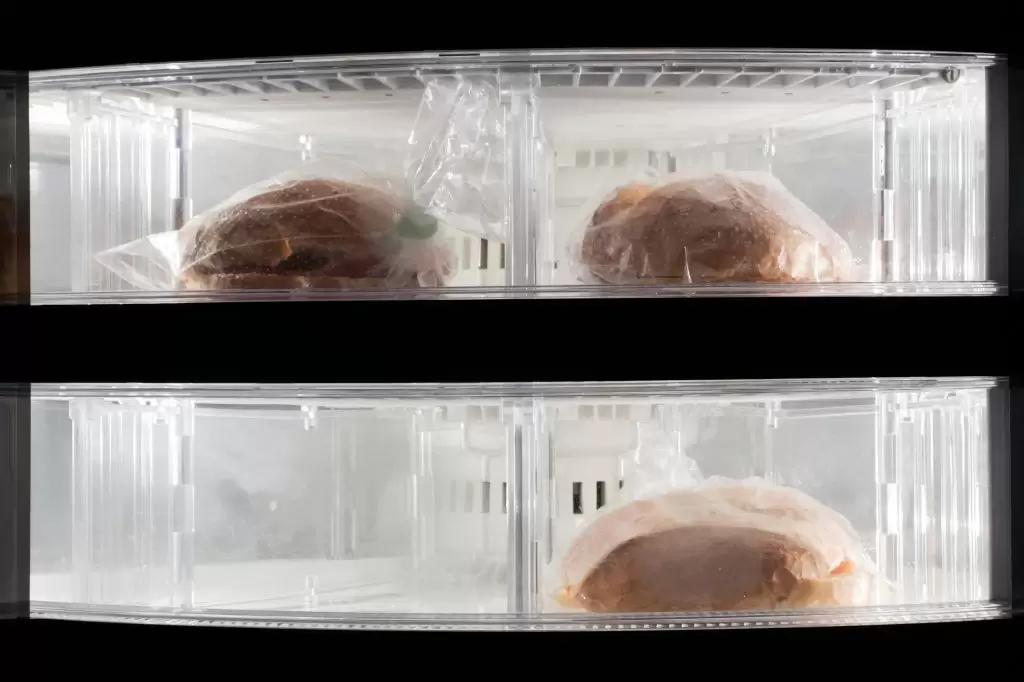
Place the bags in the freezer, spaced apart for the first 24 hours. If at all possible, don’t touch each other. Arrange in single layers on various shelves.
If you have a large quantity of meat, freeze it in batches. Place one batch in the freezer, allow to freeze for a few hours, then place the next batch.
When the meat has completely frozen, it can be stored so that the bags are placed closer together to conserve space.
What to know:
While a full freezer is more efficient than an empty one, it’s the contents that require air flow. Never cover the freezer vents.
If there is a fast freeze or turbo freeze on the freezer, use that for the first 24 hours. This rapidly reduces temperature and maintains quality.
Quick Storage Reference and Shelf Life
Different cuts of meat last for different lengths of time in the freezer. Here is a simple reference table to help you plan your meals.
| Meat Type | Refrigerator (4°C) | Deep Freezer (-18°C) |
|---|---|---|
| Minced Meat (Keema) | 1 to 2 days | 3 to 4 months |
| Chops and Steaks | 3 to 5 days | 6 to 9 months |
| Boneless Cubes for Curry | 3 to 5 days | 6 to 9 months |
| Large Roasts or Raan | 3 to 5 days | Up to 12 months |
| Organ Meat (Liver, Kidneys) | 1 to 2 days | 3 to 4 months |
| Cooked Meat Dishes | 3 to 4 days | 2 to 3 months |
Note: These are recommendations for quality and not safety. Meat that is stored longer than these times may still be safe to eat, but the flavor and quality will decrease. Before cooking check meat for signs of spoilage.
5 Unique Personalized Anniversary Gifts to Melt Your Partner’s Heart
How to Thaw Frozen Meat Safely
Freezing meat isn’t the half difficult part. You should also learn how to safely thaw it. When thawing isn’t done properly, all your hard work can be wasted.
The safest way to thaw meat is one of three ways:
Method 1: In the refrigerator (best and safest)
Place frozen meat in the refrigerator 24-48 hours prior to cooking. A 1 kg pack will take approximately 24 hours to thaw. It can take 48 hours or longer for a larger roast. Cook meat within 1-2 days after thawing.
Method 2: In cold water (faster)
Put the sealed meat bag in a big bowl of cold water. Change water every 30 minutes to help it stay cold. This method will thaw a 1 kg pack in 1 – 2 hours. Thaw and cook immediately.
Method 3: In the microwave (fastest but riskiest)
Defrost the microwave. Follow your microwave’s instructions for weight based defrosting. Thaw, cook immediately, some parts of the meat may have begun cooking while it was defrosting.
What to never do:
Don’t thaw meat at room temperature on the kitchen counter. Outside meat will get into the “danger zone,” the inside will remain frozen.
Never thaw meat in hot water. This cooks on the outside and freezes on the inside.
Do not refreeze meat after it has been thawed. Thaw it, and cook it. The only exception to this is if you thawed in the refrigerator and it was kept frozen all the way.
Common Questions related to Storage of Qurbani Meat
Q1: Can I use the plastic wrap in which the meat was packaged when I bought it to freeze the meat?
It’s preferable to put meat into standard freezer bags. Butchers’ thin plastic bags are not intended for freezing. They leak, they let in air and they offer no protection against freezer burn. Always repack.
Q2: How do you know if the frozen meats are spoiled?
Check for these indications. A sour or ammonia like smell when thawed. A gluey or slippery feel. Gray or brown patches, which are not the result of freezer burn. Do not eat meat that you see or smell any of these in. Throw it away.
Q3: Can meats be safely refrozen after thawing them in the refrigerator?
Yes, but only if the meat was thawed in the refrigerator and has not been left out! Refreezing, however, will impact on texture. The meat may become drier and tougher. Cooking is preferable and then freeze the cooked food.
Q4: What is the length of time that one can store Qurbani meat in a refrigerator?
Meat has a very long shelf life at -18°C, it can technically be eaten forever. To enjoy the best quality, use keema within 4 months, chops and steaks within 9 months and roasts within 12 months.
Q5: Do I need to wash the meat before freezing?
No. Washing raw meat can spread bacteria on your kitchen sink and counters. Any bacteria on the meat will be destroyed by the heat from cooking. Only wash meat right before cooking if a specific recipe requires it.
A Note from Our Experience
Every day we hear from customers on the issue of food storage and preservation at Tahaif Store. I had to discard so much meat last year because of freezer burn, is the most frequently heard comment.
This is heartbreaking. The meat of Qurbani is it a blessing. It’s designed to provide families with months of nourishment. Many of these waste away in the garbage unless they are stored properly.
The steps above are not hard to take. Do not need costly equipment. All they need is a bit of patience and a bit of planning. Make an extra hour to take the time to properly portion, pack and label your meat. That one hour will save you some wasted food and thousands of rupees in a year.
Also, make sure to pass this information on to your family and neighbors. Many homes, particularly older families, or young couples planning on buying their first home, just don’t know the proper procedures. They can avoid getting sick from spoiled food and avoid illness by talking to them for five minutes.
Final Thoughts
Eid ul-Adha is a day of kindness, bonding and introspection. Your meat of Qurbani is a trust of Allah. It’s meant to feed your family and others. Properly storing it is a way of respecting that trust.
Don’t let your blessing go to waste. Prevent freezer burn from spoiling your food. Don’t get confused about cuts and dates and fall into disorganized chaos.
Follow the instructions in this guide. Air cool the meat. Portion it properly. Pack it tightly. Label every bag. Put in the freezer. Thaw it safely.
You will be glad that you did! You will make your family thankful. And your food on the table, all from biryani to karahi to haleem to simple qeema, will taste better!
May Allah accept your Qurbani, bless your home and keep your family healthy and well fed all year round. Ameen.