The Corporate Gifting Crisis
The numbers are damning. In a $242 billion industry, most corporate gifting spend delivers almost zero return on investment.
- 54% of professionals discard corporate gifts without ever using them
- 79% of branded merchandise ends up in landfills
- Only 21% of recipients actually keep corporate gifts long-term
- 70% cannot recall who sent them a gift after just six months
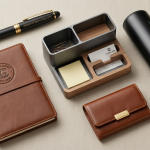
The problem is clear: traditional corporate gifts—logoed pens, branded notebooks, generic gift boxes—are transactions, not relationships.

Best Corporate Gifts for Employees in Pakistan (2026 Trends)
Why the Shift to Choice-Based Gifting in 2026?
1. Hybrid Work Has Created a Bonding Gap
Hybrid models are now entrenched, reducing workplace interactions by 60-80%. Traditional gifts can’t bridge this gap. Experiences, however, can—collaborative activities create shared memories that address the bonding deficit.
2. Generational Preferences Have Changed
Millennials and Gen Z now represent the majority of B2B buyers. Research shows 85% report high satisfaction from experiential gifts, compared to only 60% for material items. Younger generations prefer:
- Experiences over material items
- Authentic connections
- Sustainable, personalized options
3. The Home Office Challenge
Gifts now land in personal spaces where display room is limited. Promotional swag can feel intrusive. Custom, story-driven experiences earn shelf space, boosting display rates to over 70%, compared to 10-15% for traditional objects.
Traditional vs. Choice-Based Gifting
| Traditional Gifting | Choice-Based Gifting (2026 Trend) |
|---|---|
| Everyone receives the same generic gift | Recipient selects their preferred gift from a curated portal |
| Complex shipping and packaging logistics | Digital redemption, instant delivery, zero waste |
| Gifts often sit unused in drawers | 100% used, valued, and appreciated |
| Low social sharing (under 5%) | High social sharing (40-60% share voluntarily) |
How Points-Based Reward Systems Work
Modern companies—especially tech firms and startups—are adopting points-based reward systems:
Step 1: Earning Points
Employees earn points for performance goals, demonstrating company values, peer recognition, tenure anniversaries, and completing training.
Step 2: Redeeming Points
Employees accumulate points in a digital account and redeem them through a curated catalog of rewards—gift cards, experiences, branded merchandise, wellness kits, or additional time off.
Step 3: Choosing What Matters
Instead of guessing what motivates a diverse workforce, employees choose rewards that resonate personally—a critical factor in driving engagement across different demographics and generations.
Why Points-Based Systems Outperform Traditional Recognition:
- Scalability: Digital platforms reach hybrid and distributed teams equally
- Measurable ROI: Data on participation and behavioral trends
- Behavioral Alignment: Points reinforce the behaviors that drive business outcomes
- Personalization at Scale: Employee autonomy over rewards drives higher engagement
Top Experiential Corporate Gift Ideas for 2026
1. Custom Building Experiences
Custom LEGO® brick sets are transforming corporate gifting. Google, Amazon, NASA, and Allianz have moved away from forgettable swag toward experiential gifts.
Performance Data:
- Recipient retention rate: 95%+ (vs. 21% for traditional swag)
- Average display time: 2+ years (vs. weeks)
- Social media share rate: 40-60% (vs. under 5%)
2. Gift Card Programs
Gift cards remain the most widely used reward globally, accounting for 30-34% of program allocations. Nearly 70% of organizations plan to increase gift card use in 2026.
3. Wellness and Self-Care Experiences
Fitness trackers, ergonomic accessories, wellness kits, and spa vouchers reflect a company’s dedication to employee well-being.
4. Virtual Experiences
Digital workshops, masterclasses, and virtual team-building activities are scalable and effective for hybrid teams.
5. Subscription-Based Gifts
Online learning platforms, gourmet food deliveries, or digital magazines offer sustained appreciation rather than one-time recognition.
Measurable ROI: Why Choice-Based Gifting Works
- Enhanced Memory: Experiential memories last longer and create stronger emotional ties than objects
- Amplified Conversations: Objects = 1 interaction; Experiences = 5-20+ interactions over months
- Better Budget Justification: $5-10 per memorable interaction vs. $50-70 for forgotten swag
- Employee Engagement: Employees who feel recognized are 7x more likely to be engaged
Why This Shift Is Permanent
With hybrid work entrenched, digital fatigue ongoing, and sustainability non-negotiable, experiential gifting is here to stay. Organizations leading this shift report stronger retention, enhanced culture, competitive differentiation, and measurable ROI.
The insight is simple: Same budget, smarter impact.
A $60 object forgotten in weeks vs. a $60 experience yielding months of value, daily desk visibility, and social media amplification.
Don’t give gifts that gather dust. Give gifts that gather memories.

Frequently Asked Questions
Q1: What is choice-based corporate gifting?
A system where recipients select their preferred gifts from a curated catalog rather than receiving generic, one-size-fits-all items.
Q2: How do points-based reward systems work?
Employees earn points for recognized behaviors and redeem them for rewards they choose, including gift cards, experiences, or merchandise.
Q3: Why are experiential gifts better than traditional corporate swag?
They create lasting memories, generate higher social sharing (40-60%), and build stronger emotional connections to the brand.
Q4: What is the ROI of choice-based gifting?
Companies report lower cost per meaningful interaction ($15-35 vs. $50-70) and significantly improved brand recall (3x longer retention).
Q5: Which industries are adopting experiential gifting?
Leading adopters include tech companies (Google, Amazon), aerospace (NASA), finance (Allianz), and entertainment (Twitch).